Clearance
Selective pruning may improve practical clearance from roofs, driveways, walks, or other property features.
Pruning decisions should begin with the outcome you need—clearance, deadwood, structure, young-tree training, or appropriate storm-damage cleanup.
Certified Arborist-led · Insured · 30+ years of tree-industry experience
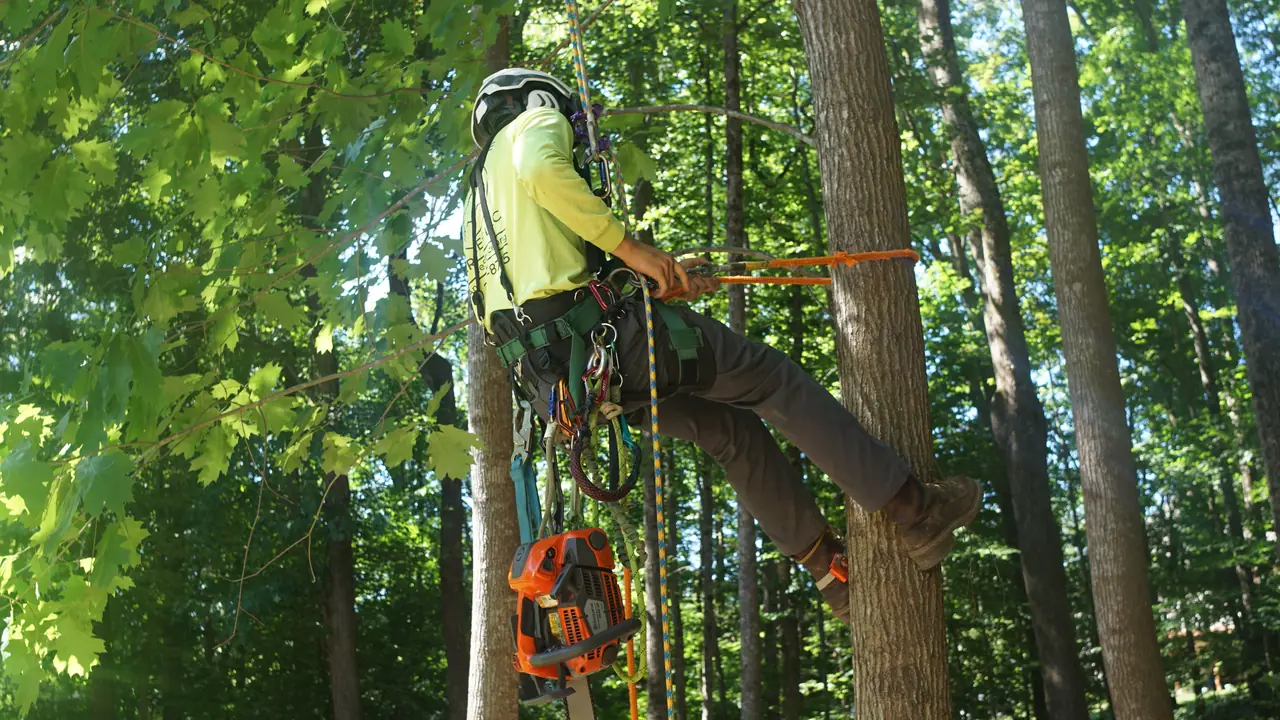
A recommendation starts with the property
Good pruning is not simply making a tree smaller. The reason for the work should guide what is removed and what is retained.
Selective pruning may improve practical clearance from roofs, driveways, walks, or other property features.
Dead or broken branches can be evaluated for targeted removal and storm-related cleanup.
Young-tree training or selective structural work may support a more appropriate form as the tree develops.
Share the tree, property address, and your clearance, deadwood, structure, or storm-cleanup concern.
Scope and expectations
Tree trimming and pruning are priced for the work your trees need and the property around them. We review the site before providing a free written estimate.
Your written quote identifies the trees, the pruning objective and the cleanup included. The amount of live material removed must suit the species, condition and goal. Pruning cannot eliminate every future branch or storm risk.
A clear service path
Planning the work
The appropriate method depends on the actual site. These are common details worth sharing before the visit.
Show the estimator the roof, drive, view, walkway, or neighboring area you are trying to address.
Visible damage, recent changes, and the desired schedule are helpful context for the visit.
Fences, gardens, vehicles, outdoor features, and ground conditions can affect how work is approached.
Explain whether your priority is clearance, appearance, deadwood, young-tree development, or storm cleanup.
Practical questions
The estimate accounts for the trees involved, their size and condition, the pruning objective, access, nearby property and cleanup. Compare quotes for the same work and ask about any options or exclusions. We provide a free written estimate after reviewing the property.
The right time depends on the species, its condition and the work needed. Many deciduous trees suit pruning before spring growth, while flowering patterns and disease concerns can call for different timing. We consider those factors during the property review. A damaged or hanging limb needs prompt assessment rather than waiting for a season.
An on-site review helps determine whether selective pruning, monitoring or removal best fits the tree and its surroundings. Point out the clearance, damage or other concern you want addressed. Pruning cannot correct every condition or make every tree safe to retain.
Your written quote states the branch and brush handling and cleanup included. Tell us whether you want cut material removed or left in an agreed place, and mention any specific expectations before approving the work.
People often use the words interchangeably. The useful distinction is whether the work has a defined objective and an appropriate scope rather than indiscriminate cutting.
No. We recommend purposeful pruning rather than indiscriminate topping. The amount to remove depends on the goal, species, size, condition and site. An on-site review is more reliable than choosing a percentage without context.
No. Pruning may address specific branches or objectives, but no pruning can guarantee that a tree or branch will never fail.
Share the tree, property address, and your clearance, deadwood, structure, or storm-cleanup concern.
Certified Arborist-led · Insured · 30+ years of tree-industry experience